Disciple Making Drift: The Cost of Outsourcing Disciple Making to Professionals

Most Christians don’t think they’re qualified to make disciples.
They assume that work belongs to someone else. Someone trained. Someone credentialed. Someone paid. Disciple making, in their mind, is the responsibility of pastors and church staff, not ordinary believers.
That assumption didn’t appear out of nowhere.
Over time, the church has professionalized spiritual formation. Counseling, teaching, mentoring, and guiding others in the way of Jesus slowly shifted toward specialists. As churches grew more complex, leaders took on more responsibility for people’s growth. And the more leaders carried the weight, the less everyone else felt responsible to participate.
It felt responsible. After all, pastors are trained for this. They’re educated. They’re set apart. And if someone is being paid to do the work of ministry, it can feel inappropriate for everyone else to step in. Why should a volunteer do what someone else is hired to do?
Church leaders often reinforce this without meaning to.
Many genuinely feel responsible for the spiritual health of their people. They counsel. They coach. They intervene. They carry stories, burdens, and expectations that were never meant to rest on a few shoulders. In the process, disciple making becomes centralized. Care flows inward. Growth becomes something people receive rather than something they practice.
The body waits. The professionals perform.
The problem isn’t that leaders care too much. It’s when leaders do all the work that the body never learns.
It’s like floating down a river on a raft. As long as we stay on the surface, we can move along without effort. We feel safe. We feel carried. But no one learns how to swim while coasting downstream. Swimming requires getting into the water. It requires movement, resistance, and risk.
The church has spent a long time staying on the raft.
Pastors become lifeguards, scanning the water, jumping in to rescue, pulling people back to safety. Meanwhile, the people in the raft remain dependent. They’re told to stay put. To leave it to the professionals. To wait for training that never quite comes.
And all the while, there are people drowning.
There are millions who need to be shown how to follow Jesus, not just told what to believe about him. A handful of trained staff was never meant to carry that responsibility alone. Disciple making was designed to be shared, embodied, and practiced by the whole body.
Jesus never professionalized disciple making.
He didn’t reserve it for the most educated or spiritually impressive. He entrusted it to ordinary people who learned by doing. He sent them before they felt ready. He expected participation, not perfection. And through practice, they were formed.
When disciple making is outsourced to professionals, most people never discover that they are capable. They never learn to swim. And the mission stalls because participation has been removed from the equation.
The question isn’t whether pastors matter. They do.
The question is whether disciple making has been unintentionally taken away from the people it was always meant to belong to.
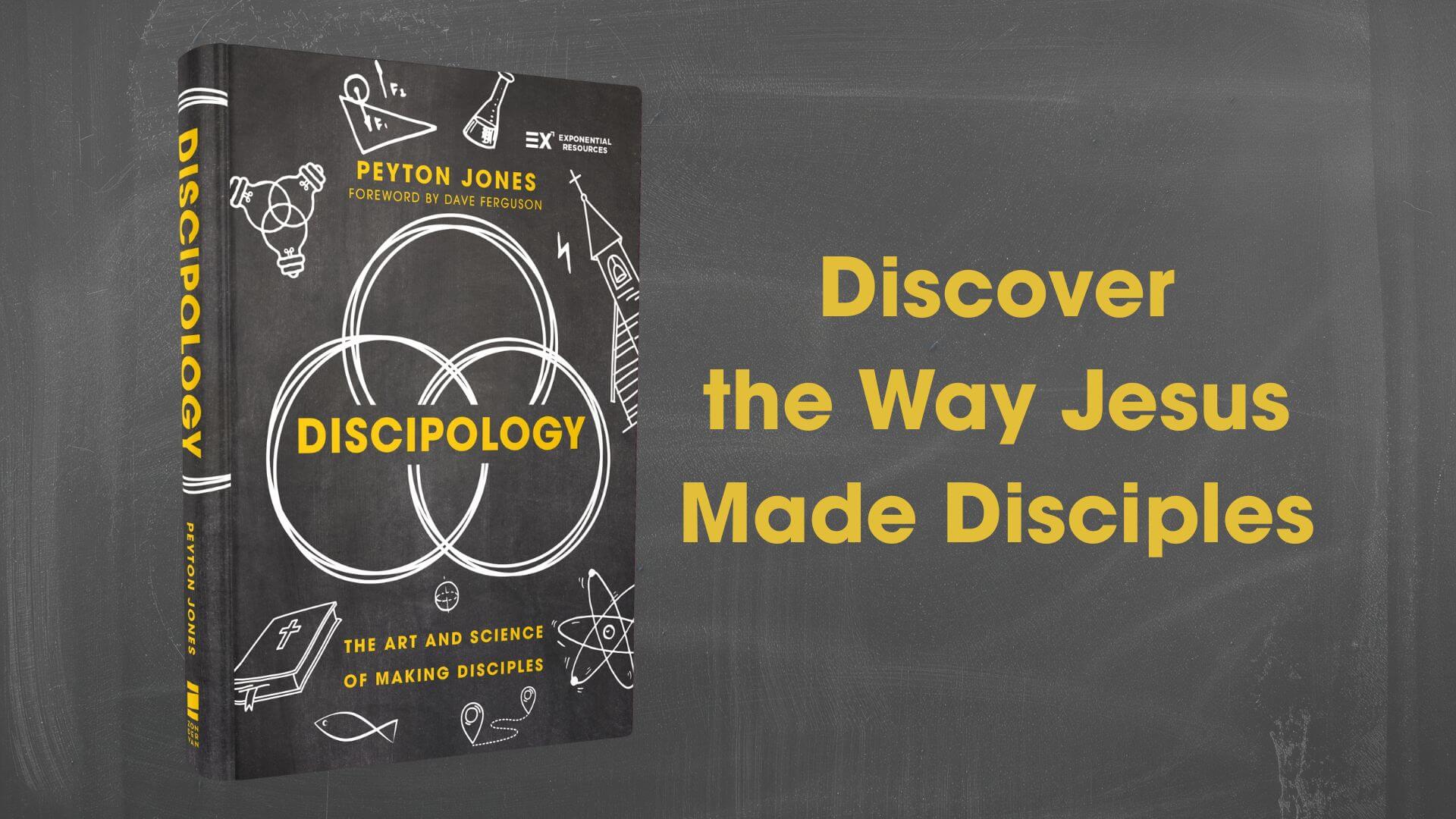
Discipology exists because disciple making was never supposed to be the work of a few experts. The system is designed to help everyday believers step into the water—to walk alongside others in simple, repeatable ways so that formation is shared, not centralized.
Because the church doesn’t need more professionals doing the work for everyone else. It needs a body that knows how to swim.
Click here to Pre-Order Discipology.https://newbreedtraining.com/resources/books/discipology/