A Coin from a Fish
How Jesus Used Teaching to Train Disciples in Ordinary Obedience
It’s not a dramatic moment. No crowds pressing in, no raised voices, no sense that anything important is about to happen. The question comes casually, almost in passing, as so many ordinary moments do.
The temple tax collectors approach Peter and ask him a simple question. Does your teacher pay the temple tax? It isn’t a challenge or a test. It’s administrative. The kind of thing people ask because it’s their job to ask it.
Peter answers quickly. Of course He does. Why wouldn’t He? It’s not something Peter has ever given much thought to.
But when Peter steps back inside, before he has time to bring it up himself, Jesus speaks first. He asks Peter a question—one that immediately reframes the whole situation. From whom do kings collect taxes? From their own children, or from others?
Peter answers correctly. From others.
Jesus agrees. Then He says something quietly stunning: Then the children are exempt.
In other words, Jesus doesn’t owe this tax. As the Son, He is free. He has every right to decline. The logic is sound. The theology is airtight.
And then, just as quietly, Jesus decides they’ll pay it anyway.
Not because He has to. Not because it ultimately matters. But because of what obedience looks like when you’re free.
Jesus sends Peter to the lake. He tells him to throw out a line, take the first fish he catches, and open its mouth. Inside, Peter will find a coin—enough to cover both their taxes.
It’s an odd instruction. There’s no crisis to solve, no urgent need for a miracle. This isn’t a moment that requires divine intervention. They could have found the money another way. Jesus could have explained Himself to the collectors. He could have opted out entirely.
But instead, Jesus turns a mundane responsibility into a formative moment.
What Jesus is teaching here is easy to miss because it doesn’t feel “spiritual” in the way we expect. There’s no confrontation with power. No dramatic act of faith. No public display of authority. It’s about paying a tax—something tedious, forgettable, and deeply ordinary.
And that’s exactly the point.
Jesus is forming Peter in the instincts of everyday obedience. He’s showing him how to live faithfully when nothing dramatic is happening. How to exercise freedom without arrogance. How to submit without resentment. How to do the right thing even when you don’t strictly have to.
Most of life, Jesus knows, will not be lived on hillsides or in moments of crisis. It will be lived in the ordinary spaces—in responsibilities that feel small, systems that feel annoying, and obligations that don’t feel particularly meaningful.
If discipleship doesn’t reach there, it doesn’t reach very far.
So Jesus makes the moment memorable. He attaches obedience to experience. Peter will forget sermons. He will misunderstand teachings. He will fail publicly more than once. But he will never forget the day he pulled a coin out of a fish’s mouth simply because Jesus told him to do the next right thing.
Formation doesn’t only happen in dramatic moments. More often, it happens quietly, while doing what’s faithful, when no one is watching.
And Jesus, as always, teaches accordingly.
Want to Learn How Jesus Actually Formed Disciples?
Jesus didn’t reserve formation for spectacular moments. He trained His disciples in the faithfulness of everyday obedience—when the stakes felt low and the task felt small.
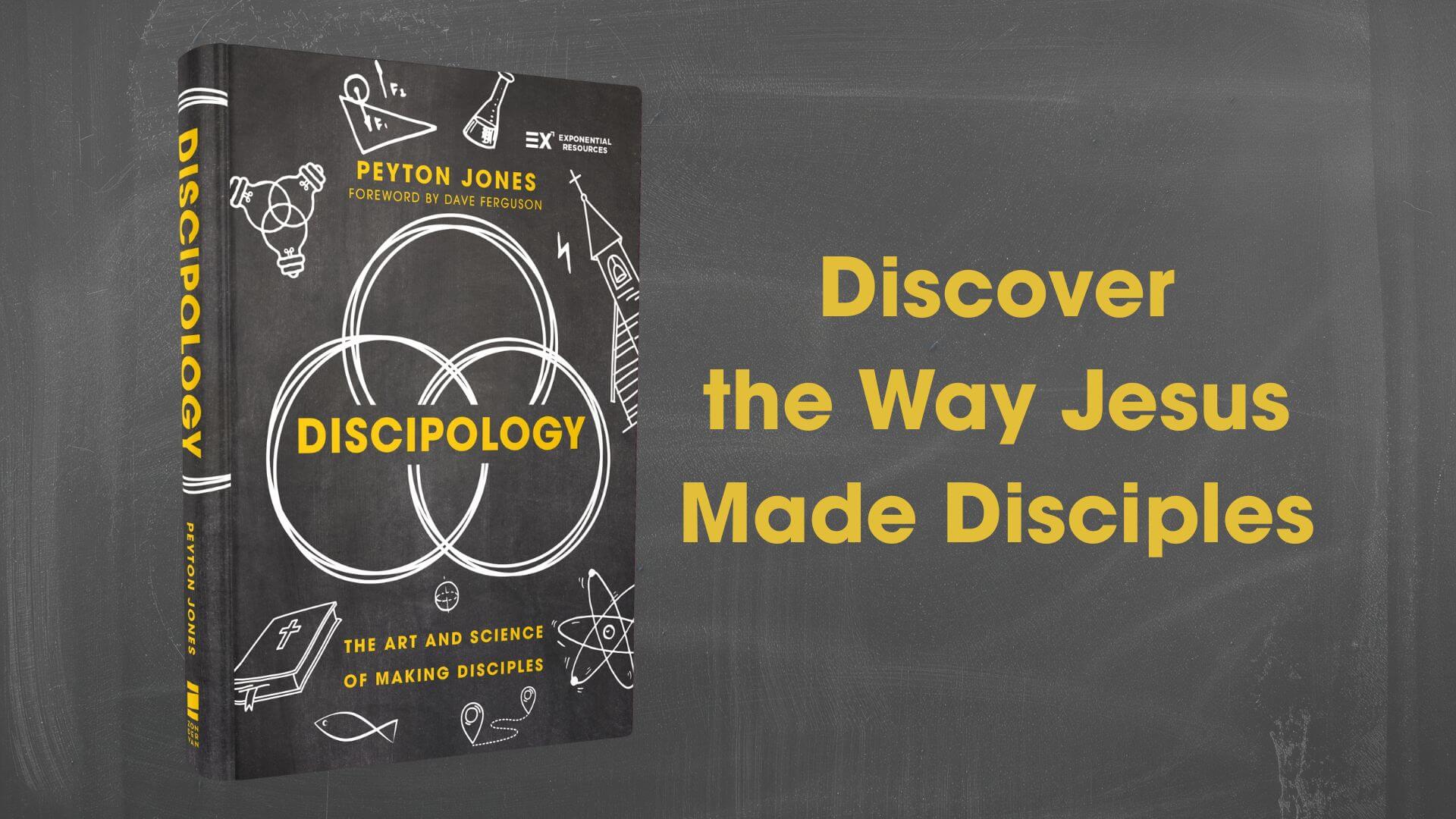
Discipology explores how Jesus used Time, Teaching, and Tactics to form disciples whose faith held up in ordinary life, not just extraordinary moments.
If you’re ready to move beyond event-driven discipleship and into lasting formation, Discipology offers a better way forward.
👉 Explore Discipology and rediscover Jesus’ disciple-making design https://newbreedtraining.com/resources/books/discipology/