Disciple Making Drift: How Church Growth Metrics Hijacked Formation

We measure what matters.
At least, that’s what we tell ourselves. In reality, we measure what’s visible. What’s countable. What fits neatly into a spreadsheet or a quarterly report. And over time, those measurements reflect our priorities and begin to shape them.
Attendance is easy to measure. Obedience is not.
Formation is slow, uneven, and deeply personal. How do you quantify someone’s growth in prayer? Or their courage in sharing faith? Or their willingness to walk alongside another person in the way of Jesus? Those things resist clean metrics. They don’t trend neatly. They don’t show up on dashboards.
So we did what organizations often do under pressure: we substituted proxies.
We took signs that might accompany maturity—attendance, participation, involvement—and treated them as indicators of maturity itself. Church attendance became a stand-in for faithfulness. Small group participation became a stand-in for community. Program engagement became a stand-in for discipleship.
None of those things are wrong. Many of them are good.
But they are not the same thing as disciple making.
A friend of mine, Bill Couchenour, likes to say, “What you measure improves.” He’s right. Measurement creates attention. Attention creates action. And the converse is also true: what you don’t measure rarely improves…especially when there are other numbers demanding your focus.
When attendance numbers are the primary metric leaders are expected to report, those numbers begin to carry disproportionate weight. They shape decisions, calendars, and conversations. Over time, certain behaviors get reinforced simply because they’re visible and countable.
Disciple making rarely makes the list.
Most churches don’t measure whether someone is walking alongside another person in the way of Jesus. Not because they don’t care, but because they don’t know how. So disciple making becomes assumed rather than observed. Hoped for rather than named. Encouraged in theory, but not tracked in practice.
The result is predictable.
People know they’re supposed to attend church. Many know they’re supposed to join a small group. They understand the behaviors that get noticed and affirmed. But very few could articulate that they are expected to make disciples…or what that would even look like in their everyday life.
Over time, churches can grow numerically while formation stalls. Leaders feel pressure to keep the visible numbers up. Systems reward participation more than reproduction. Disciple making becomes something we talk about, not something we watch for.
Jesus didn’t measure success the way we do. He didn’t track crowds as indicators of maturity. In fact, crowds often complicated his mission. He focused on a small group of people and invested deeply in their formation. He watched how they lived, how they loved, how they obeyed. The fruit of that investment wasn’t immediately measurable, but it was unmistakable over time.
Disciple making requires a different kind of attention. Not less structure, but different structure. Not fewer metrics, but better ones. Metrics that make formation visible without reducing it to numbers alone.
The question isn’t whether metrics matter. They do.
The question is whether our metrics are shaping people into disciples or simply managing attendance.
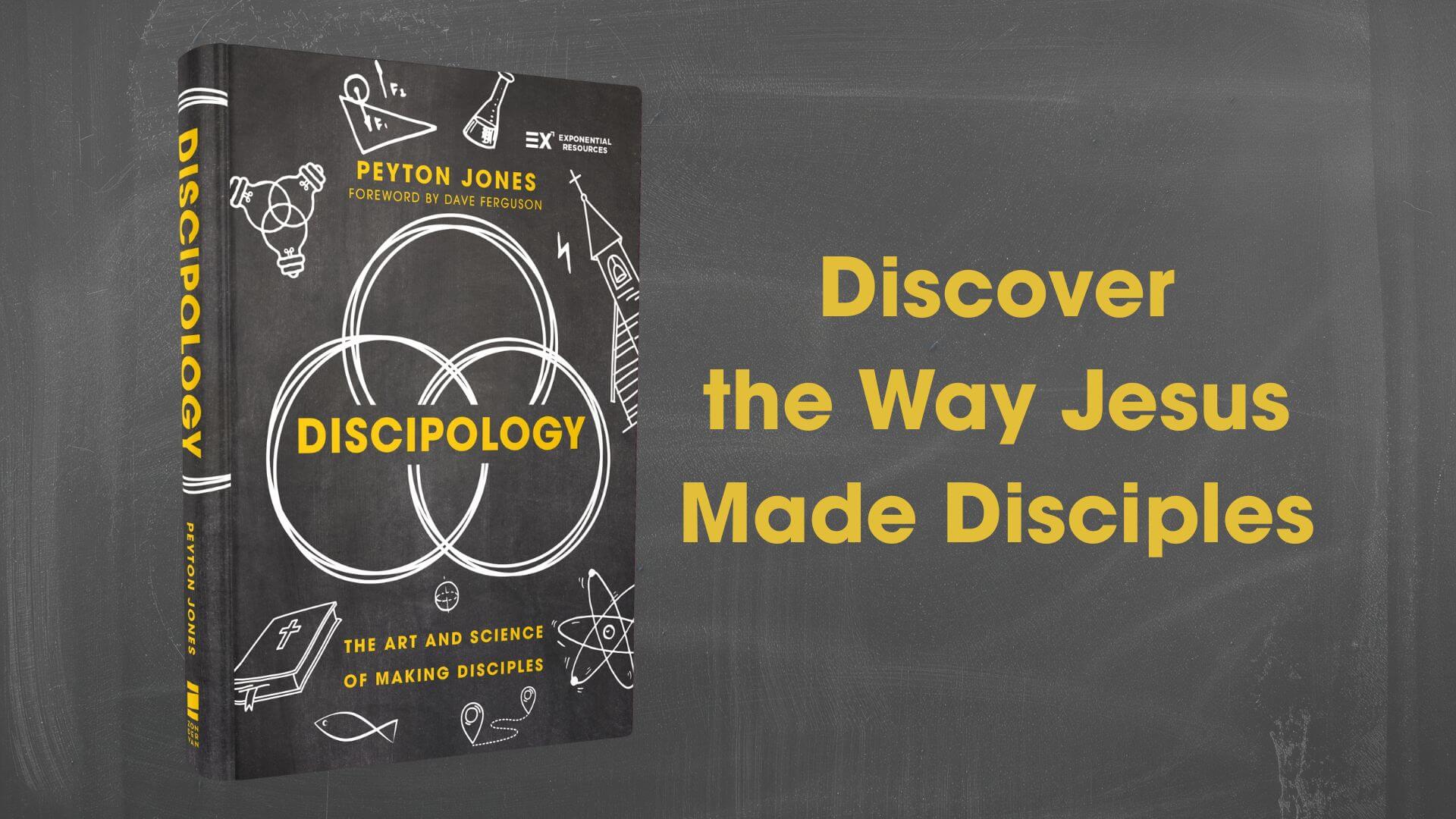
Discipology exists because many leaders sense this mismatch. The system is designed to make disciple making concrete and observable, not by over-quantifying formation, but by clarifying whether someone is actually walking alongside another person in the way of Jesus.
Because what we measure doesn’t just improve. It tells people what we believe matters most.
Click here to Pre-Order Discipology.