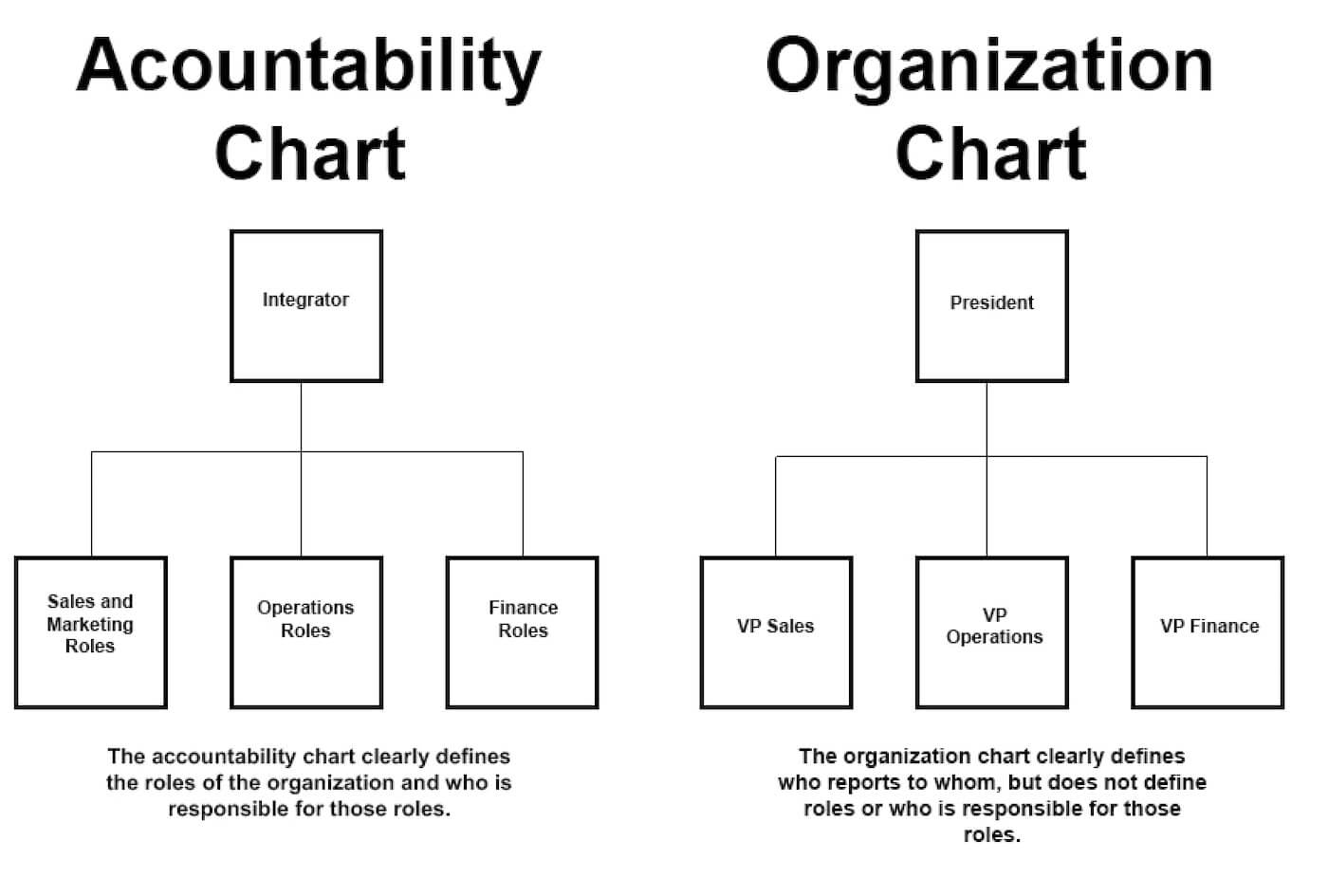
4. Revisit the Accountability Chart As needed to restructure roles and responsibilities.
Finally, over time, your needs will change. Your people will come and go. Some will stay for the long haul, while others will be here to help for a season. You will find that you will create a role for some people based on their Sweet Spots, and then the structure will need to shift, likely because those people used their gifts to create growth for your community! That is why you need to sit down with your team at least annually and revisit the Accountability chart. What needs to change as we move to the next season? Let your team have real input because they see things you can't while they are on the ground.
2. Develop a Sweet Spot System
A sweet spot is where your gifts, passions, and the needs of the community converge. This is my favorite part of ministry! When we get to help people become all God has designed them to be, I feel totally alive. In fact, my guess is that this is why you got into church planting in the first place. The unfortunate truth is that most people don't encode it into their team-building plan. When we don't intentionally help people discover, what my friend Bruce Bugbee calls their Secondary Calling (The Primary is to Be a disciple of Jesus) we are poorly stewarding the beautiful people God calls us to equip. Why would God grow something that doesn't grow his people?
How To Build a Sweet Spot System
1. Create a Sweet Spot Call To Action
A Call to Action is simply an invitation to your people to take a step. How will people know that you can help them discover their personal calling? How will you know when they said yes. For our team it is not just for team building, it's the first step after baptism. We bake it straight into our discipleship pathway. But we love to have a call to action with every blog we send out. It takes them to a VideoAsk (it's our video-based form) where they can notify us that they want to begin the process. We use automation to create an email sequence that begins as soon as they send us the VideoAsk. It takes them to the first step of our Discovery Process
2. Develop or Choose a Discovery Process
There are many great Discovery Processes to choose from. The two best I have found are the
GPS assessment from my friends at DisciplesMade and Bruce Bugbee's
Right4You assessments. I highly recommend not reinventing the wheel here. These two assessments are built for entire churches as a system that helps people live into their secondary calling. A Discovery Process is a series of assessments that help us discern our gifts, passions, and relational style. After these assessments, it's important to know how they fit within the context of your faith community.
3. Develop a Calling Pathway
Develop a clear path for people to put their newfound discovery to work. It's not enough that they know their gifts, but we must help them find a way to operate in them. I find a coaching call at the end of the Discovery Process helps discern where the person would like to put their gifts into practice. I never show them our Accountability roles until they show interest in the types of responsibilities that we need to have on the team. I influence people to either join an existing team that aligns with their passions or if they are starters to think about starting a new team in the area of their passion. If they decide to start one, we utilize the missionary pathway from the KC Underground to walk with them as they discern what God is calling them to start. Their Pathway is the best I have found for launching new ministries and missionary works in our city. Some will want to work inside the community, and others will want to work on the outside of it, but it's all for the mission. Think through how your pathway can celebrate and equip both.
3. Create a ChurchScore Scorecard
I learned really quickly that a large part of the reason I was so unhappy with the performance of my team is that I was looking at the outcomes rather than the inputs. Consequently, the people with the least amount of contribution to inputs (i.e. lead metrics) were the ones who looked best in public. It wasn't until I came across Brady Shearer's Church Growth Calculator that I began to see an opportunity to change the game on church metrics.
I took Brady's Church Growth Calculator and I adapted it to measure inputs instead of JUST outcomes. God determines growth and it should be measured and celebrated, but we should focus the majority of our efforts on metrics that we can control. For example, if I need more volunteers for my ministry, what if we measured personal invitations to our Sweet Spot System? Do you want more leaders developed in your church? What if we measured the amount of ICNU conversations (from Dave Ferguson's Hero Maker). Honestly, anything that is our responsibility that has a corresponding action in our control can be measured–and we gave it a score. 1 Sweet Spot conversation was 2 points. 1 sign-up was 5 points. 1 Missionary Pathway signup was 7 points. 1 New Group or CityBuilder (our version of missionary where they live, work, learn, or play) that maxed the points (10). We calculated the weekly scores that we recorded on our Scorecard to give us a monthly ChurchScore. Needless to say, it became a fun game, and our ministry grew. Now, as I coach other churches, I help them implement department scores, and an entire ChurchScore so that they can measure the things that matter and celebrate when God gives the increase.
The other thing this did, was separate the real contributors from the ones that could look busy or say all the right things. We quickly learned who was pulling their weight and who wasn't. We also learned where we need coaching. Some of us, me included, would put in the work with little results. We were able to pinpoint the sticking point and concentrate our training efforts on those weak points. It changed our whole culture.
4. Lead Regular Team Huddles
Finally, the last thing I did was learn how to lead change in a rapidly shifting environment. I used monthly team huddles to share with our people where our leadership was planning on heading, and we created a way to allow our team anonymous feedback to be talked about during the month. We would listen to the feedback live in the next meeting without our leadership team making any comments positive or negative but allowing anyone to speak there if they desired to do so. Then, we would go back and recalibrate our plans based on the feedback received, and finally represent the newly minted strategy in the following month's leadership huddle, the team would be allowed to give us feedback again if they disagreed with recalibrations, and we would change things in real-time during that meeting. Then we would run.
This only allowed us to pull off one big initiative during a quarter, but one per quarter was enough to see massive shifts in a little bit of time. It also allowed our people's input, which increased buy-in even when they disagreed with the strategic outcome. They knew we were listening and that we cared.
When building a team all of these steps need to be thought through and implemented in some way. It may look different for each of you, but make sure you have a plan! Any organization, especially a church, without these 4 ingredients will make for a dysfunctional team.