The Discipology of Jesus: Why We Needed a New Word

Jesus is teaching again.
A crowd has gathered—some curious, some skeptical, some hopeful. They lean in, waiting for clarity. They want answers. They want direction. They want something they can understand, agree with, and maybe even repeat to others.
Jesus begins to speak.
“A farmer went out to sow his seed…”
And almost immediately, things get strange.
Seeds fall on paths. Birds swoop in. Some sprout quickly and die just as fast. Others choke. A few flourish beyond expectation.
Then Jesus stops. No explanation. No summary. No application point. The crowd is left holding a story that refuses to explain itself.
The disciples are confused, and honestly a little irritated. “Why do you speak to the people in parables?” they ask.
It’s a fair question. If Jesus wants people to follow Him, why not be clearer? Why not say exactly what He means?
Because clarity is not always the goal of discipleship.
Jesus teaches in a way that interrupts passive listening. Parables slow people down. They force reflection. They demand that the listener decide whether they will lean in or walk away.
You cannot skim a parable. You cannot nod along politely. You cannot agree without thinking. You either wrestle with it…or you don’t.
Jesus Is Not Teaching for Agreement
Modern teaching often aims for instant clarity. Bullet points. Takeaways. Simple statements everyone can affirm.
Jesus is doing something else entirely.
His parables do not invite agreement; they provoke examination. They don’t tell you where you stand—they reveal where you already are.
Some hear the story and feel exposed. Others feel intrigued. Some feel annoyed enough to leave.
Jesus knows that agreement is easy to fake. Transformation is not.
Teaching That Separates Before It Unites
When Jesus later explains the parables privately to His disciples, the contrast becomes clear.
The same story that confuses the crowd becomes formative for those who stay close.
The teaching hasn’t changed. The posture of the listener has.
Parables function like a filter. They reveal who is willing to sit with discomfort, who is hungry enough to ask questions, who wants truth more than simplicity.
Jesus does not flatten His teaching so everyone can immediately understand. He teaches in a way that rewards patience, humility, and proximity.
We often assume good teaching means removing all ambiguity. Jesus assumes good teaching sometimes introduces it.
Ambiguity creates space for the Spirit to work. It invites conversation rather than conclusion. It keeps people engaged beyond the moment.
Jesus is not trying to download information. He is forming people who will think, reflect, and eventually see the world differently.
That kind of formation takes time, and teaching that doesn’t resolve everything at once.
Teaching That Lingers
Parables stick with you because they don’t finish their work in the moment. They follow you home. They surface later. They confront you when circumstances change.
Long after the crowd disperses, the story is still doing its work.
This is discipleship teaching.
Not content designed for quick consumption. Not clarity designed to secure agreement. But truth delivered in a way that reshapes how a person sees, listens, and responds.
Jesus teaches so that those who truly want to follow Him will keep coming back with questions.
And those who don’t…won’t. That is not a bug in His method. It’s the brilliance of it.
Want to Learn to Teach Like Jesus?
Jesus didn’t rush clarity. He didn’t teach for agreement. He formed disciples by changing how people heard, not just what they heard.
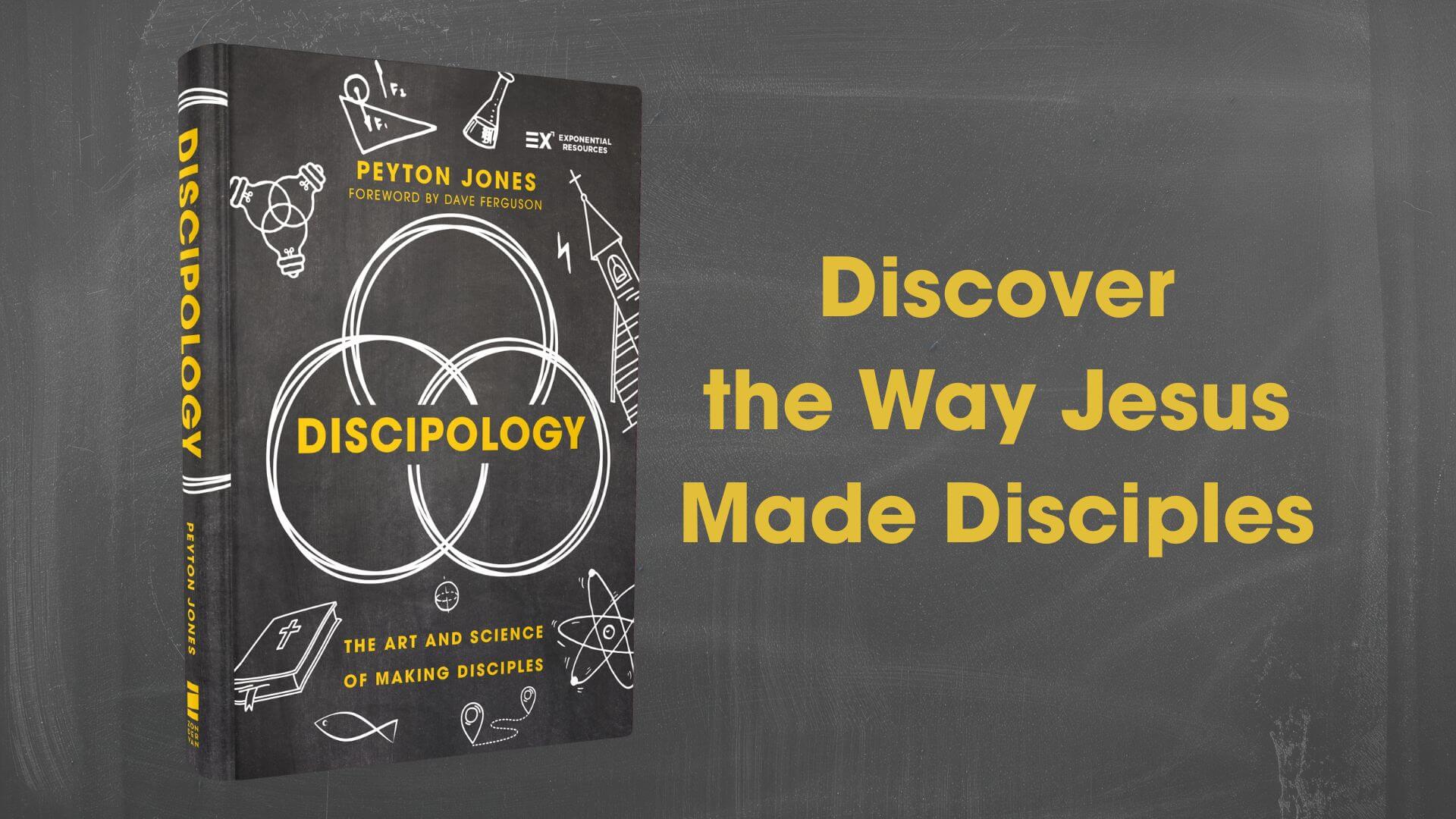
Discipology explores how Jesus used Time, Teaching, and Tactics to form resilient disciples—and how those same patterns can reshape the way we make disciples today.
If you’re tired of content-heavy approaches that produce agreement but not transformation, Discipology offers a better way forward.
👉 Explore Discipology and start learning the way Jesus taught